
Getting a Level 2 charger at home is a game changer, but running a 240-volt line isn’t quite plug-and-play. Between Shreveport’s permit rules, sizing the wire correctly, and making sure your electrical panel isn’t already maxed out, a little prep work goes a long way toward avoiding surprise bills and blown fuses.
Here’s a straightforward breakdown of what the job actually looks like from start to finish; including permits, wiring, and realistic costs.
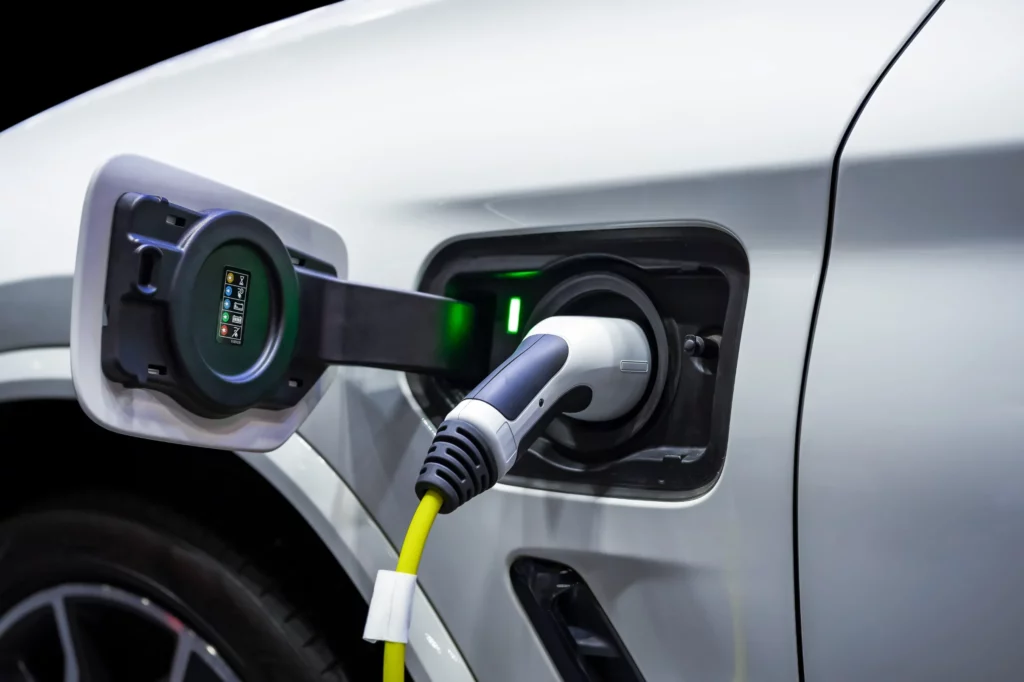
What does a home EV charger installation involve?
Installing a home EV charger is essentially two jobs: mounting the charging unit on your wall and running a brand-new, heavy-duty 240-volt line straight from your electrical panel to your parking spot.
That dedicated line isn’t just a suggestion; it’s a safety requirement. Charging an electric car creates a continuous electrical load that can run for six to ten hours uninterrupted. Trying to share that circuit with another heavy appliance would immediately trip breakers or overheat your wiring. That’s why every installation starts with assessing your main panel to see how much power your home can spare.
Level 1 vs Level 2: Which home EV charger do you need?
Not sure which is right for you? Here are the differences you should know between the two:
Level 1 Chargers: This is the cord that usually comes in the trunk, plugging straight into a standard 120-volt household outlet. According to the Department of Energy it only adds about 5 miles of range per hour. An overnight charge gets you roughly 40 miles. This is plenty for a plug-in hybrid or a quick daily errand run, but painfully slow for a road-trip-ready EV.
Level 2. Stepping up to a 208- or 240-volt circuit cuts that wait time drastically. As SWEPCO points out, you’ll gain anywhere from 10 to 60 miles of range per hour depending on your vehicle and hardware, meaning most cars can go from empty to full in 4 to 6 hours while you sleep.
Whichever route you take, fueling up at home is remarkably light on your wallet. ENERGY STAR estimates that driving an EV generally cuts your per-mile fuel costs by more than half compared to a gas-powered car.
Can your electrical panel handle a home EV charger?
Your panel can handle a Level 2 charger as long as it has enough spare electrical capacity for a dedicated 40- to 60-amp circuit. To find out for sure, an electrician performs an official NEC load calculation. Think of this as an energy audit: it tallies up everything currently pulling power in your home (HVAC, water heater, stove, dryer) to see how much headroom remains.
This is where things get tricky in Shreveport’s older neighborhoods. Many homes in areas like South Highlands, Broadmoor, and Pierremont were built long before electric cars existed, and plenty still rely on 100-amp service or outdated split-bus panels. Tacking a heavy 48-amp charger onto a system that’s already running near capacity is an easy way to violate code and trip your main breaker.
If your load calculation shows you’re running out of room, don’t worry: you generally have three options to consider:
- A panel upgrade. Moving to 200-amp service with a panel upgrade gives you room for the charger and whatever you add next.
- A subpanel. If you need more breaker slots instead of more total capacity, targeted electrical panel services may do the job for less. It’s important to bear in mind that the subpanel adds breaker space but doesn’t add capacity.
- A new breaker. When your panel’s sound and has room, adding a correctly sized breaker may be all the charger needs.
What wiring does a home EV charger installation require?
Installing a Level 2 charger takes more than just stringing any thick cable from your breaker box. It requires a dedicated 240-volt line with properly sized wiring, a matched circuit breaker, and ground-fault protection—all built to the safety standards of NEC Article 625.
Because an EV charger pulls continuous power for hours at a time, electrical codes require the circuit to handle 125% of the charger’s rated output. That “buffer” is why a 48-amp charger actually calls for a 60-amp breaker and notably heavier wire than most people expect.
A few key installation factors determine how that wiring gets done:
Hardwired or plug-in. Higher-output 48-amp chargers are usually hardwired. Many 32- to 40-amp units plug into a NEMA 14-50 outlet, the same style of receptacle you’d find behind an electric range.
Distance from the panel. Each foot between your panel and the parking spot adds wire and labor, and sometimes a wall penetration. A charger on the garage wall next to the panel usually costs far less to wire than one at a detached garage across the yard.
Ark-La-Tex heat and humidity are hard on outdoor equipment, so a charger or receptacle mounted outside or in an unconditioned garage needs weather-rated, sealed components. If your home’s existing wiring is a question mark, folding the charger into a broader whole-home rewiring plan may make more sense than adding a modern circuit to aging wire.
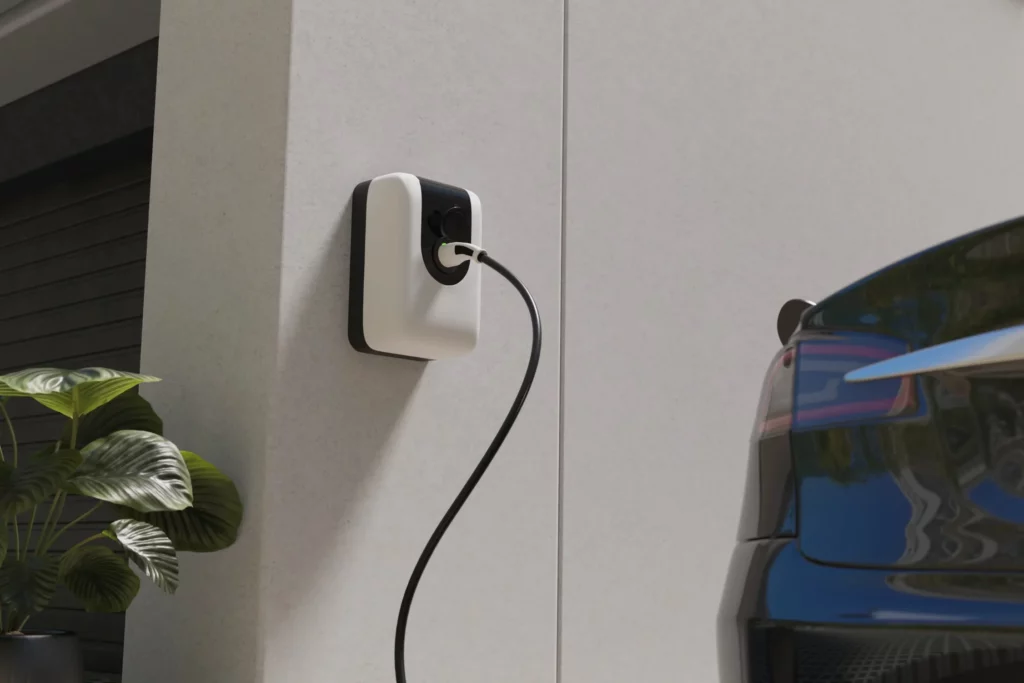
How much does a home EV charger cost?
On average, expect to spend between $700 and just over $2,000 for a complete Level 2 home setup, covering both the charger and professional installation, according to Angi’s EV charger cost guide. Breaking that down, hiring a licensed electrician typically accounts for $400 to $1,200 of the bill, plus another $100 to $200 for local electrical permits.
Where you land within that range usually comes down to four practical factors:
- The charger hardware: High-amperage smart units with Wi-Fi scheduling cost more than basic plug-in models.
- Distance to your parking spot: Longer cable runs and conduit paths mean higher material and labor costs.
- Hardwired vs. plug-in: Direct wiring can take a bit more time, while a plug-in setup requires installing a heavy-duty receptacle.
- Your electrical panel capacity: If your panel has plenty of spare room, installation is straightforward. If it requires a service upgrade or subpanel to handle the extra load, that will naturally bump up your final total.
Before you commit to an installation, it helps to know exactly what your panel can handle. For $89, McNeer will perform a thorough visual safety inspection so there are no surprises down the road. Call (318) 383-0083 to speak with a local pro and get an accurate number for your home.
Do you need a permit for a home EV charger installation in Shreveport?
Yes, adding a 240-volt circuit for a home EV charger in Shreveport generally requires an electrical permit and a final inspection through the city’s Division of Permits and Inspections. A licensed electrician pulls the permit, does the work to code, and schedules the inspection. Skipping this step isn’t worth it, since unpermitted electrical work can cause problems when you sell the house and may give your insurer a reason to question a claim.
If you’ve inherited a questionable charger circuit from a previous owner, McNeer’s electrical repair crew can inspect it and bring it up to code. Contact us today to learn more.
What happens during a professional home EV charger installation?
A professional home EV charger installation usually follows five steps: an on-site estimate, a load calculation, the permit, the installation, and a final inspection.
- The on-site estimate. The electrician looks at your panel, where you park, and the charger you want to use.
- The load calculation. This confirms whether your panel can carry the new circuit or needs work first.
- The permit. Your electrician files it with the city before the circuit goes in.
- The installation. The breaker goes in, the wire gets run to your parking spot, and the charger or receptacle gets mounted.
- The final inspection. The city inspector signs off on the circuit, and then it’s ready to use.
Home EV charger installation FAQs
How much does a home EV charger installation cost in Shreveport?
Nationally, most Level 2 home EV charger installations cost between $700 and just over $2,000 for both the hardware and professional labor, according to Angi’s EV charger cost guide. If your electrical panel is maxed out and needs a service upgrade first, Angi’s panel upgrade cost data estimates that will add another $800 to $2,000 to the total. Because every home’s layout and capacity are different, scheduling a free in-home estimate is the best way to get a firm, accurate price for your Shreveport property. Contact us today to learn more.
Can I add a Level 2 charger to a 100-amp panel?
Sometimes. A Level 2 charger usually needs a dedicated 40- to 60-amp circuit, and many 100-amp panels are already close to capacity once you count the air conditioner, water heater, range, and dryer. A load calculation will show whether there’s safe room or whether you need a panel upgrade first.
Do I need a panel upgrade for a home EV charger?
Only if your panel lacks spare capacity for the charger’s circuit. Homes with 200-amp service often have room. Older homes on 100-amp or split-bus panels frequently need an upgrade before a Level 2 charger can be added safely.
Is a permit required for EV charger installation in Shreveport?
Yes. Adding a 240-volt charger circuit in Shreveport generally requires an electrical permit and a final inspection through the city’s Division of Permits and Inspections. A licensed electrician usually handles both.
Can I just plug my EV into a regular outlet?
You can use a Level 1 cord in a standard 120-volt outlet, but the U.S. Department of Energy’s Alternative Fuels Data Center notes it only delivers about 2 to 5 miles of range per hour. Because that is often too slow for everyday driving demands, most owners upgrade to a Level 2 charger running on a dedicated 240-volt circuit.
How long does a home EV charger installation take?
A straightforward job is often done in a single visit. A panel upgrade or a long wire run to a detached garage can stretch it to a day or more.
Talk to a Shreveport EV charger electrician
If you’re planning a home EV charger in Shreveport, it’s best to consult a licensed electrician before buying any hardware. McNeer Electrical Contracting’s team is fully licensed and bonded across Louisiana (License #18765), backing every installation with transparent upfront pricing and a lifetime workmanship warranty. We offer free estimates on all EV charger projects, and flexible financing is available if your home also needs a panel upgrade. Call (318) 383-0083 to schedule your visit, or learn more on our Shreveport electricians page.